
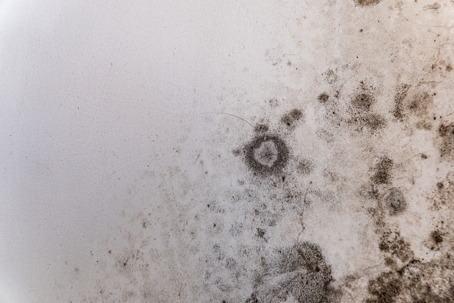
You live in a place that people describe as “dry,” yet you catch a musty smell in the hallway after a winter storm or notice a dark stain creeping along a bedroom wall. Friends tell you not to worry, someone online says your family is in danger, and your landlord or contractor insists it is “just surface mold.” Caught between fear and dismissal, it is hard to know what to believe.
Mold myths are powerful because they seem simple. They promise that color alone tells you everything, that a spray bottle and a fan will fix any problem, or that Santa Clarita’s climate protects you from serious mold growth. These ideas travel fast on social media and in casual conversations, but they rarely match what actually happens inside real homes. To protect your health and investment, you need the facts that sit behind the headlines and shortcuts.
At Mailman Environmental, we have completed more than 3,000 environmental inspections across Santa Clarita and the Greater Los Angeles Area, including detailed mold inspections and indoor air quality assessments. Our team is certified by the California Department of Public Health and the Department of Occupational Safety and Health, and we are in local homes every week seeing how moisture and mold behave in the real world. In this guide, we will walk through the most common mold myths we hear in Santa Clarita and replace them with clear, practical information you can use.
Why Mold Myths Are So Common In Santa Clarita Homes
Santa Clarita’s overall climate gives people a false sense of security. We have hot, dry stretches for much of the year, so many homeowners assume indoor mold can only be a problem in coastal areas or older, damp houses. That assumption ignores the way modern homes actually work. Buildings create their own microclimates, with plumbing, insulation, HVAC systems, and tight building envelopes that can trap moisture in very specific spots.
Mold myths tend to come from a few predictable places. Online forums and social media posts often trade dramatic photos and “one size fits all” advice that does not account for local construction. Landlords or property managers may downplay concerns to avoid repair costs, while some contractors focus on making walls look dry and clean, not on confirming what is happening inside them. Well-meaning friends share what worked in their home, even if the situation was very different from yours.
Because we inspect so many Santa Clarita homes, we see both sides of the problem. Some families are terrified by a small patch of surface mold that can be addressed quickly once the moisture issue is fixed. Others live with chronic leaks, recurring stains, or musty odors that have been painted over several times, convinced it is “nothing serious” because the region is dry. Our goal is to cut through both extremes and give you a realistic picture of risk, based on how mold and moisture actually behave here.
Myth 1: 'Santa Clarita Is Too Dry For Serious Mold Problems'
This is one of the most common mold myths in Santa Clarita. People look at our summer weather and assume mold problems are something that happen in humid states or coastal neighborhoods, not in a valley with low overall humidity. The reality inside a home is very different from the weather report. Mold does not care about the average outdoor humidity; it cares about specific areas where materials stay damp long enough to grow.
Every home generates moisture from everyday activities, including showering, cooking, laundry, and running HVAC systems. Add plumbing lines in slab-on-grade foundations, roof penetrations for vents, and exterior stucco that can crack, and you have plenty of potential paths for water to enter or condense inside walls. We regularly find mold in Santa Clarita homes where the only event was a slow plumbing leak behind a kitchen cabinet, a shower pan that failed over time, or condensation around cold AC ducts in a hot attic.
Local construction details matter too. Many Santa Clarita houses have stucco exteriors, tile roofs, and tight windows designed to keep conditioned air inside. During a winter storm, wind-driven rain can push moisture behind flashing or through hairline cracks. If that moisture gets into an insulated wall cavity and has limited ventilation, it can stay damp longer than the outdoor air suggests. Over time, this can support mold growth on framing, paper-backed drywall, and insulation, even when your thermostat reads a comfortable indoor temperature.
In our inspections throughout Santa Clarita and Greater Los Angeles, we routinely document mold in areas that never flooded and do not feel humid. The pattern is almost always the same. There is a source of water, a material that mold can use as food, such as wood or paper, and enough time before the area truly dries out. That is why relying on climate alone is risky. To judge your real mold risk, you have to look at how water moves in your specific home, not just at the forecast.
Myth 2: 'If I Cannot See Mold, It Cannot Be A Problem'
Visible mold is only part of the story. In many Santa Clarita homes we inspect, the most significant growth is hidden, not on an open wall or ceiling. Mold tends to thrive where moisture lingers out of sight, such as behind baseboards after a slab leak, inside wall cavities around shower plumbing, under vinyl flooring, or in the air handler and ductwork of HVAC systems. By the time you see staining, the underlying issue may have been present for weeks or months.
There are warning signs that suggest a hidden moisture or mold problem even when you do not see spots on the wall. Persistent musty odors in a specific room, worsening allergy or respiratory symptoms when you are at home, paint that bubbles or peels, or baseboards and door casings that warp or separate from the wall can all point to damp materials behind the surface. Stains that keep coming back after you clean or repaint are another red flag.
During a professional mold inspection, we look far beyond what is obvious. We can use moisture meters to scan drywall, baseboards, and flooring for elevated moisture that your hand would not detect. We look for subtle clues around plumbing penetrations, windows, and rooflines. When there is a concern that cannot be explained by the visual and moisture assessment alone, we may recommend air sampling to compare indoor spore levels and types to the outdoor baseline. This combination of tools helps identify whether a hidden mold condition is likely, even when surfaces look clean.
At Mailman Environmental, our work is built around this broader approach. Mold inspections and indoor air quality assessments are not limited to what you can see in a quick walkthrough. We design each inspection around what is happening in that particular home, and we explain our findings in clear language so you understand where moisture is present, where mold is confirmed or suspected, and what that means for your next steps. Relying on “no visible mold” as your only test can leave serious issues undetected until the damage is far more extensive.
Myth 3: 'All Black Mold Is Toxic And My Home Is Ruined'
The term “black mold” shows up everywhere, from news stories to online forums, and it often creates more fear than clarity. In reality, “black mold” is not a scientific term. It simply describes the color of the growth you see. Many different mold species can appear dark or black, and some lighter-colored molds can also produce problems when they grow on wet building materials. Focusing only on color can push homeowners into panic mode or lead them to ignore other serious growth that is not black.
One species, Stachybotrys chartarum, is often associated with water-damaged buildings and is sometimes called “toxic black mold” in headlines. While its presence can be a concern, it is only one of many molds that can colonize damp drywall, wood, or insulation. Other genera and species that appear green, gray, or even white at first can cause structural damage to materials and may contribute to indoor air quality issues if growth is widespread. From an inspection standpoint, the more important question is why the material is wet and how far the moisture and growth have spread.
When we investigate black or dark-colored growth in Santa Clarita homes, we look at context first. Is this a small, isolated patch from a one-time moisture event that has been fully corrected, or is it part of a larger area of chronic dampness behind walls or under flooring? We may recommend sampling to identify the specific types of mold present, but we always interpret lab results in combination with the moisture history and the size and location of the damaged area. Lab data alone cannot predict exactly how any one person will react, and color alone definitely cannot tell you whether your home is ruined.
Our role is to turn a scary visual like “black mold” into actionable information. That starts with identifying the moisture source, determining how far materials are affected, and then outlining a remediation plan that removes or properly cleans damaged components and helps prevent the problem from returning. In many cases, once the moisture issue is resolved and targeted remediation is completed, homeowners are able to restore their space without the dramatic outcomes people imagine when they hear the phrase “black mold.”
Myth 4: 'Bleach And Paint Are All I Need To Fix A Mold Problem'
Bleach and paint are two of the most common “solutions” we see used on mold problems in Santa Clarita homes. A wall stains after a leak, someone sprays a cleaner, scrubs the surface, then paints over the area. For a few weeks or months, everything looks fine. Then the staining or musty odor returns. The underlying issue is that mold is not just a surface stain, and water often penetrates deeper into porous materials than a quick cleaning can reach.
Mold grows by sending tiny root-like structures, called hyphae, into the material it is colonizing. In materials like drywall, paper backing, and wood, these structures can extend below the surface, especially if the material has stayed damp for a period of time. Bleach may lighten or remove discoloration on the outer layer, but it does not reverse the water damage that allowed mold to grow in the first place. Paint, including “mold resistant” coatings, can temporarily hide staining, but if the material behind the paint remains damp, growth often continues or returns.
In many inspections, we find clear signs of these quick cosmetic fixes. There may be one clean band of cut drywall around a past leak, while moisture meters still show elevated readings above or below the patch. Baseboards may have fresh caulk and paint but feel soft when probed, indicating that they stayed damp long enough for decay or mold growth. These situations are frustrating for homeowners because it looks like the problem was handled, but the root cause was never addressed.
An effective approach focuses on the moisture and the material, not just the surface. That typically means identifying and stopping the source of water, then removing or properly cleaning materials that have stayed wet long enough to support mold growth. Hard, non-porous surfaces can sometimes be cleaned and left in place once fully dried. Porous materials, like wet drywall or insulation, usually need to be removed in a controlled way so spores and dust do not spread to other areas. Once the area is clean and dry, rebuilding can begin.
Myth 5: 'DIY Mold Test Kits Tell Me Everything I Need To Know'
DIY mold test kits appeal to many homeowners because they promise quick answers at a low cost. Typically, these kits involve placing a plate or strip in a room, waiting for growth, then sending it to a lab or comparing it to a chart. Mold spores are present in the air everywhere, indoors and outdoors. If you expose a nutrient plate to the air in almost any environment, something is likely to grow. The key question is not whether there is any mold at all, but whether there is an abnormal mold condition related to your home’s materials and moisture.
Most over-the-counter kits do not include outdoor comparison samples, which are helpful for interpreting whether indoor levels or types are unusual. They often lack clear collection protocols, so one person may place the plate on the floor and another on a high shelf near a vent, generating very different results. Even when lab analysis is offered, homeowners typically receive a list of genera or species without context about building materials, leak history, or how results compare to typical background levels. This can easily lead to unnecessary alarm or a false sense of security.
Professional mold testing is different because it is part of a broader inspection strategy. We start with a detailed visual and moisture assessment. If sampling is warranted, we select locations and methods that will answer specific questions, such as whether a room adjacent to a known leak is affected or whether complaints about symptoms correlate with elevated spores in certain areas. We also take outdoor baseline samples when we perform air testing, so we can compare indoor results to the natural outdoor environment around your home.
Our certified team at Mailman Environmental then interprets lab results in plain language. Instead of handing you raw numbers, we explain whether the types and concentrations of spores suggest a normal background condition, an indoor mold source, or an area that needs further investigation or remediation. We combine lab findings with what we saw and measured during the inspection to give you a clear picture of what is happening in your home. DIY kits cannot offer this level of context, which is why they often raise more questions than they answer.
Turning Mold Facts Into A Plan For Your Santa Clarita Home
Once you look closely at these myths, a clearer picture starts to emerge. Mold can grow in Santa Clarita, despite our dry reputation, because indoor microclimates and construction details create pockets of moisture. Hidden mold can exist even when walls look clean. Color alone does not tell you whether mold is dangerous or your home is lost. Quick fixes with bleach and paint rarely solve deep moisture problems. DIY test kits give incomplete answers, and cleaned up leaks can still leave behind damp materials that support growth.
The good news is that these realities also point toward practical next steps. If you see a small, isolated patch of surface mold from a one-time spill that dried quickly, careful cleaning and monitoring may be enough. If you notice recurring stains, musty odors, symptoms that improve when you leave the house, or a history of leaks in concealed spaces, it is time to consider a professional mold inspection or indoor air quality assessment. When test results and moisture readings show an abnormal condition, a clear remediation plan and competent contractor can usually address the issue without turning your life upside down.
At Mailman Environmental, we focus on turning confusing mold stories into an understandable plan for your specific Santa Clarita home. Our certified team combines detailed inspections, appropriate testing, and customized remediation recommendations, then connects you with trusted contractors who can carry out the work. We stay focused on your long-term safety and comfort, so you can move forward with confidence instead of reacting to myths or guesswork.
If you are concerned about possible mold myths playing out in your home, or you have had a leak and want real answers instead of assumptions, we are ready to help you get clear information and a practical path forward.