
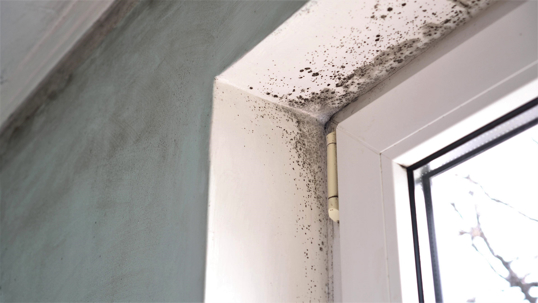
Living in a hot, mostly dry place like Santa Clarita can make hidden mold feel like someone else’s problem, right up until a musty odor, a lingering cough, or the memory of an old leak raises questions you cannot easily answer. Many homes here look spotless, with fresh paint and updated floors, yet something still feels off in certain rooms. That nagging worry that there is a problem you cannot see is often what drives people to start searching for answers.
Homeowners across Santa Clarita and the Greater Los Angeles Area often assume that serious mold issues only happen in damp climates or after big floods. In reality, hidden mold often develops in perfectly normal family homes that have never had a major disaster. The combination of our regional climate, local construction methods, and everyday habits like showering, cooking, and running the AC creates very specific patterns of moisture and mold that most people do not realize are there.
At Mailman Environmental, we have completed more than 3,000 environmental inspections across Santa Clarita and Greater Los Angeles, so we see these patterns up close on a regular basis. Our team is certified by the California Department of Public Health and the Department of Occupational Safety and Health, and we focus on customized environmental testing that looks beyond what you can see on the surface. In this guide, we walk through the top causes of hidden mold in Santa Clarita homes, what they look like in real life, and how professional testing can help confirm what is happening behind walls, under floors, and inside your HVAC system.
Why Dry Santa Clarita Homes Still Develop Hidden Mold
The first assumption we often have to untangle is that Santa Clarita is “too dry” for mold to be a real problem. Mold does not depend only on the outdoor climate. It depends on three things inside your home, which are moisture, organic material, and time. Drywall paper, wood framing, dust, and household belongings all provide food. If moisture reaches those materials and stays there long enough, mold can grow even when the air outside is hot and dry.
Indoor life adds a surprising amount of moisture to a home. Showers, cooking, laundry, houseplants, humidifiers, and even breathing release water vapor into the air. When that moisture has nowhere to go, humidity builds up in pockets, such as bathrooms with closed doors or closets next to steamy rooms. Santa Clarita homes are often tightly sealed to keep cooled air inside, which is good for energy bills but means moisture can linger longer than you might think.
Local weather patterns also play a role. Hot days followed by cooler nights drive warm, moist air toward cooler surfaces, such as exterior walls, windows, and attic sheathing. Occasional heavy storms can push water into small cracks in stucco and around windows, even if rain is infrequent overall. We regularly find hidden mold in homes that look dry and tidy, simply because trapped indoor moisture had time to settle into cavities and materials out of sight.
In our inspections, we see the same pattern repeatedly. A Santa Clarita homeowner reaches out because of a stubborn odor or recurring sinus issues in one part of the house. There is no obvious black mold on the walls. Yet moisture readings and, when appropriate, targeted sampling often show mold activity behind baseboards, inside wall cavities, or in attic areas that never fully dried after everyday moisture built up. Understanding that interior conditions, not just the outdoor climate, drive mold growth is the first step to finding the real source of a problem.
Roof Leaks & Stucco Cracks: How Water Sneaks Into Walls
From the street, many Santa Clarita homes look solid and well protected, with tile roofs and stucco exteriors that seem built for the climate. The reality inside the walls can be very different. Small roof leaks around flashing, skylights, or vent penetrations often send water into attic insulation and down wall cavities without leaving obvious interior stains for months or longer. Stucco cracks that look purely cosmetic can give water a path right into the wall assembly.
During heavy, wind-driven storms, rain can be forced up under roof tiles and against exterior walls with more pressure than usual. If flashing or underlayment is aging or was installed poorly, water can slip beneath those layers and travel along framing or sheathing. It does not always fall straight down where you would see it on the ceiling. Instead, it can migrate sideways across beams, wetting insulation and drywall from above until mold takes hold on the hidden side of those materials.
Stucco is not perfectly waterproof. Hairline cracks around windows, doors, and foundation joints can channel water behind the stucco layer. Once water gets behind that layer, it often becomes trapped between stucco and the interior drywall. With little air movement, that moisture can linger long enough for mold to grow on the paper backing of drywall or on wood studs, unseen from inside the room. By the time paint starts to bubble or a faint stain appears, mold may already be well established in the cavity.
Homeowners usually notice only subtle clues. These might include a small area of paint that keeps peeling, a musty odor along a specific exterior wall, or staining that only shows up after intense storms. In our inspections, we use tools such as moisture meters and, when appropriate, thermal imaging to trace these hidden moisture paths. That allows us to identify where water has entered the wall system and where hidden mold is most likely to be active, even when surfaces still look mostly intact.
Plumbing Leaks Under Sinks, Slabs, & Showers
Plumbing is another major source of hidden mold in Santa Clarita homes, especially when leaks are small, slow, and out of sight. A dramatic pipe burst is hard to miss. What causes more trouble over the long term is a slow drip under a sink, a pinhole leak inside a wall, or a failing shower pan that only lets a little water through each time someone showers. These leaks can quietly saturate wood, drywall, and subflooring while the visible surfaces dry quickly and look fine.
Many Santa Clarita homes are built on slab foundations. When a supply or drain line beneath the slab develops a leak, water can spread horizontally under the slab, then wick upward into walls, cabinets, and flooring. Because this moisture is coming from below, there may be no standing water to alert you. Instead, you might see slightly discolored baseboards, a patch of flooring that feels different underfoot, or a faint odor near a particular wall. Underneath, the bottom of the wall cavity can be damp for long periods, supporting hidden mold growth.
Bathrooms and kitchens are frequent trouble spots. A slow leak in the plumbing behind a shower or tub often wets the framing and backer board behind tile while the finished surface stays intact. Under kitchen sinks, tiny drips from supply lines, garbage disposals, or drain traps can collect at the back of the cabinet where you rarely look. The cabinet base and the wall behind it can become moldy while the front area, which gets more air, looks fairly normal.
Floor coverings can also hide ongoing moisture. Water that seeps under tile, vinyl, or laminate flooring may not evaporate easily, especially on a slab. We often find mold on the underside of these materials and on the slab surface, even when the top of the floor just looks a little warped or cupped. When we perform mold inspections, we pay careful attention to plumbing histories, minor past leaks, and any spots where flooring or trim shows unexplained changes. Using moisture readings and, in some cases, targeted sampling, we can help confirm whether there is active or past moisture damage supporting hidden mold.
Bathroom & Kitchen Humidity That Never Fully Escapes
Even when all your pipes and roof components are working correctly, everyday humidity inside bathrooms and kitchens can create conditions that mold favors. Hot showers release a large burst of moisture into the air. Boiling pots on the stove, dishwashers venting steam, and drying dishes all add to the humidity load. If this damp air does not leave the room efficiently, it will find cooler surfaces and nearby cavities where it can condense and slowly wet building materials.
Bathroom fans are a common weak point. In many homes, they are undersized for the room, poorly ducted, or simply rarely used. In some Santa Clarita properties, fans vent into the attic instead of through the roof or an exterior wall. This setup often moves moisture from the bathroom straight into attic insulation and sheathing. The bathroom might feel dry enough, but the attic area above it can show mold growth around the fan housing and on nearby framing.
In kitchens, range hoods that recirculate air instead of venting outside do little to remove moisture. Steam and cooking byproducts can build up on upper cabinets, adjacent walls, and in soffits. Over time, this can lead to peeling paint, staining, or musty smells when cabinets are opened. Moist air from kitchens and bathrooms can also seep into nearby closets or wall cavities, where lower air movement and cooler surfaces encourage condensation. Mold then grows on the backside of drywall, on closet shelving, or in insulation where nobody is looking.
Typical warning signs include mirrors that stay fogged long after a shower, paint peeling or spotting on bathroom ceilings, cabinet doors that swell at the edges, or a persistent odor in closets that share a wall with a bathroom. As part of our indoor air quality assessments and mold inspections, we evaluate how moisture and air move through these high-humidity areas. When needed, we can include testing that looks at airborne mold levels and surface conditions that may not yet show obvious damage, to help you understand where humidity has been quietly feeding hidden growth.
Past Water Damage That Looked Dry But Was Not
One of the most common stories we hear in Santa Clarita sounds like this: there was a leak or small flood a while back, the visible water was cleaned up with towels and fans, and everything looked fine afterward. Months or years later, a musty smell develops, paint starts to bubble, or someone in the home feels worse when spending time in that area. Hidden mold from that past event is often the missing link between those two moments in time.
When water soaks into drywall, insulation, cabinets, and flooring, it does not always dry at the same speed as the surface you can see. The outer layer may feel dry within a short time, especially in a warm climate, while the inner portions remain damp for much longer. If those materials are not removed or professionally dried with proper monitoring, they can stay in the mold friendly moisture range inside even while the outside seems fine. Painting over a water stain or installing new flooring over a previously wet subfloor can trap that moisture further.
Even professional drying efforts can miss pockets of moisture if they rely only on visual checks. Complex assemblies, such as built in cabinets, multi layer flooring, or double drywall, can hide wet layers that standard equipment does not fully reach. Over time, these wet spots become breeding grounds for mold. The problem is often compounded when later occupants or contractors do not know there was ever water damage in that area and assume any new odor or staining must be from a recent cause.
We often connect current mold issues to past events during our inspections by asking detailed questions about the home’s history and then combining that information with moisture readings and targeted sampling where appropriate. If you have an area that seems to have never been right since a leak, even if your eyes and hands say it is dry, it may be worth having that area tested. Our detailed reports help both homeowners and contractors understand whether old damage was fully resolved or if hidden moisture and mold are still present behind the finishes.
How Professional Mold Testing Finds What You Cannot See
There is a limit to what you can safely discover on your own without opening walls or pulling up floors. That is where professional mold inspections and environmental testing make a difference. A thorough assessment typically starts with a conversation about the home’s history, current concerns, and any past leaks or repairs. From there, we perform a systematic visual inspection, looking for subtle clues in walls, ceilings, floors, and mechanical systems that may point to hidden moisture and mold.
We then use tools such as moisture meters to check how damp building materials are in key locations and compare those readings to areas that are clearly dry. In some situations, strategic air or surface sampling can help indicate whether mold growth is present in a way that cannot be seen. For example, differences in mold spore levels between rooms can suggest a hidden source nearby. Surface samples can help identify the types of mold present on materials that look only slightly discolored.
Testing does not replace the need to fix the underlying cause, but it provides a clear map of what is happening and where. That map is what remediation contractors need to remove the right materials, treat the right areas, and verify that conditions have improved. Our role at Mailman Environmental is to deliver accurate environmental data and interpretation, not to sell remediation work. We follow high safety standards as certified by the California Department of Public Health and the Department of Occupational Safety and Health, and we connect clients with trusted contractors who can carry out the actual repairs.
For many Santa Clarita homeowners, the biggest benefit of a professional mold inspection is clarity. Instead of guessing whether a smell is just old house odor or whether a past leak is still causing damage, you get concrete information about conditions inside your home. If our testing does not indicate a significant mold concern, that peace of mind has real value. If it reveals hidden mold, you have a clear, documented plan to address it with the right professionals, rather than relying on surface cleaning or temporary fixes.
Get Clarity On Hidden Mold In Your Santa Clarita Home
Hidden mold rarely appears out of nowhere. In Santa Clarita, it usually follows patterns tied to roof and stucco leaks, plumbing issues, trapped humidity, HVAC condensation, and past water damage that never fully dried. Understanding these causes helps you pay attention to the right clues in your own home and avoid dismissing early warning signs as just old house smell or normal wear and tear.
When you want more than guesses, a customized environmental inspection can show you what is really happening behind the surfaces. At Mailman Environmental, we combine thousands of local inspections with certified testing methods to pinpoint moisture problems and hidden mold, then provide clear reports that your contractors can use to fix the root issues. If you recognize any of the situations described here in your Santa Clarita home, consider scheduling a mold or indoor air quality assessment so you can move forward with more confidence.